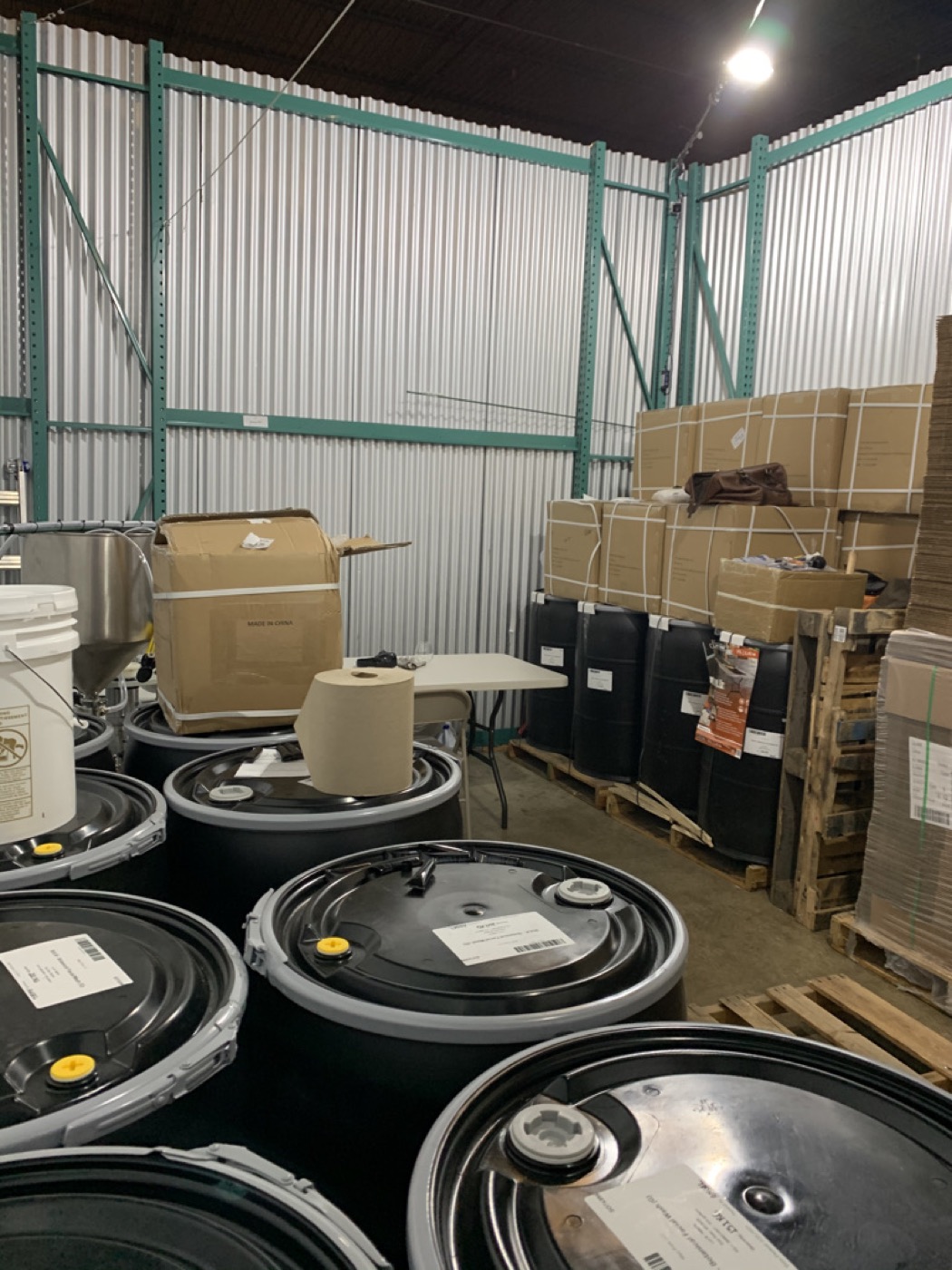
Thirty square metres: where 200,000 tubes were filled by hand
Stories · The Mazi Group
Thirty square metres
The Mazi Group's survival turned on a single fortnight in 2021: one order too large to refuse, thirty square metres to fill it in, and a question Robin Rouquart put to his mother that settled everything.
01
The company at its lowest point
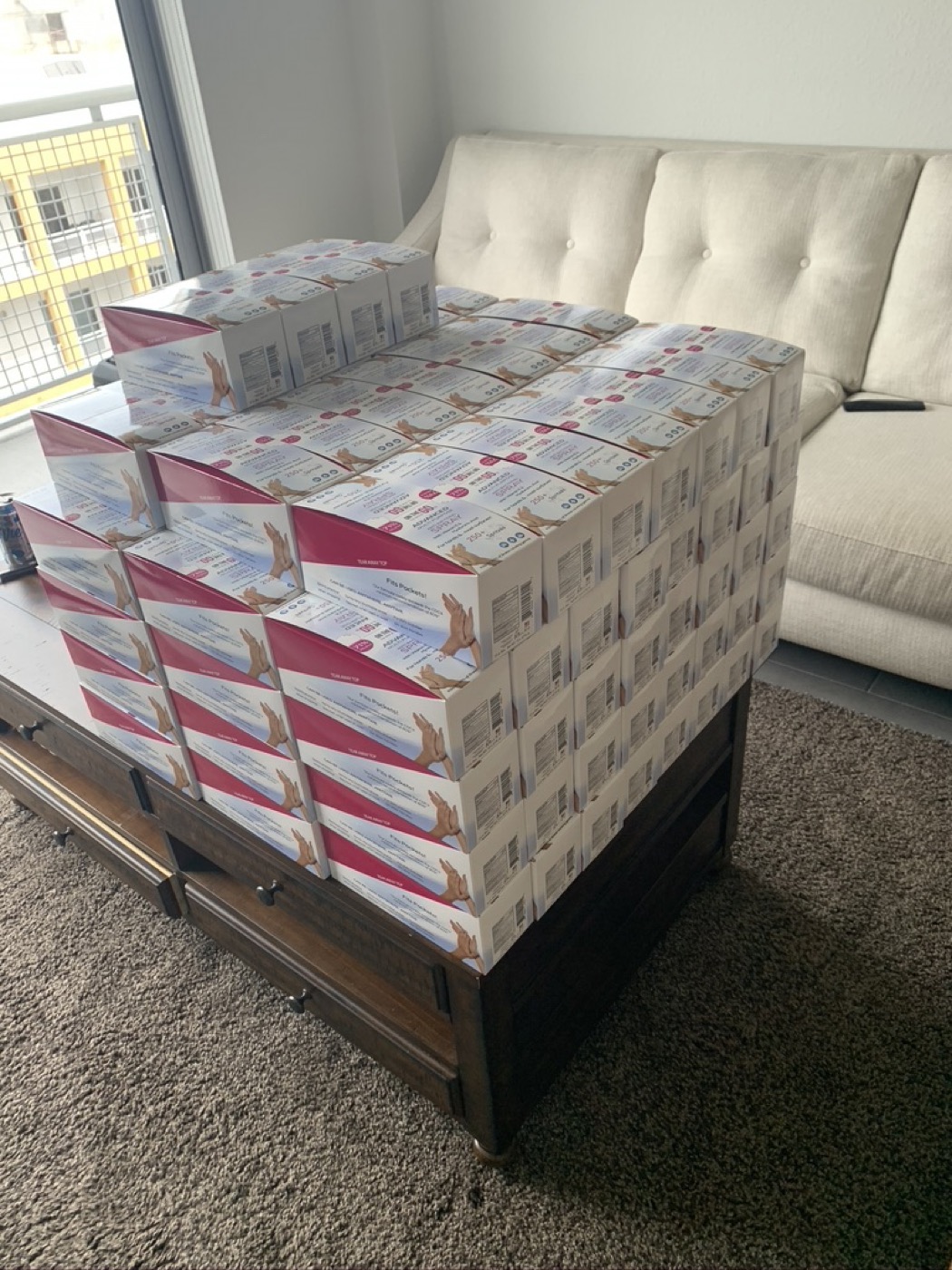
By 2021 The Mazi Group had absorbed more setbacks than most young companies survive. Two earlier startups had failed. A first generation of cosmetics had fallen flat, and the second had been kept off the shelves by Covid. What revenue there was came from On The Go, the hand-sanitising brand that was quietly keeping the company alive.
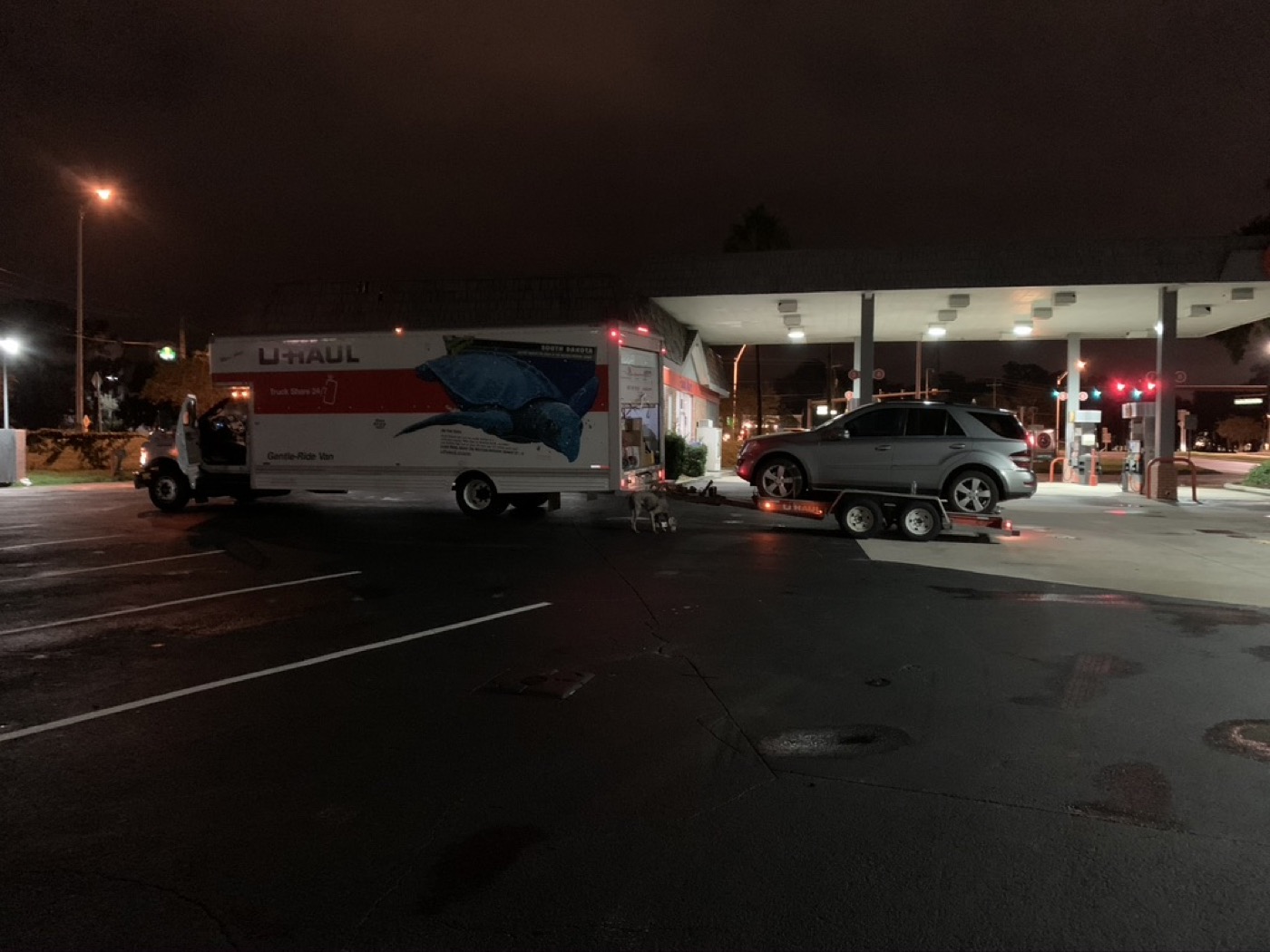
Costs had to come down, and they came down the direct way: Robin gave up Miami and moved to Washington DC himself, twenty-two hours behind the wheel of a U-Haul.
"Her answer was to keep going. She would face the treatment alone."
02
The choice
Robin's mother had been living with him in the United States. She became seriously ill, and without American health insurance she went back to Belgium. There she was diagnosed with advanced lung cancer and started chemotherapy, radiotherapy and immunotherapy. Covid travel restrictions meant Robin could not follow her.
At the same moment the company's first major order arrived: 200,000 tubes, on a short deadline, with no factory and almost no money. Robin asked his mother directly whether to come home or keep building. Her answer was to keep going. She would face the treatment alone. This part of the story is told with her blessing.
03
200,000 tubes in two weeks
The order was produced in thirty square metres, on a second-hand filling machine from China that broke down constantly and kept splitting tubes open. Ralph Missault filled a hundred thousand tubes; Robin filled the other hundred thousand. A partner from the company's earliest days kept the machine running night after night, at a time when the weight was heavy for everyone.
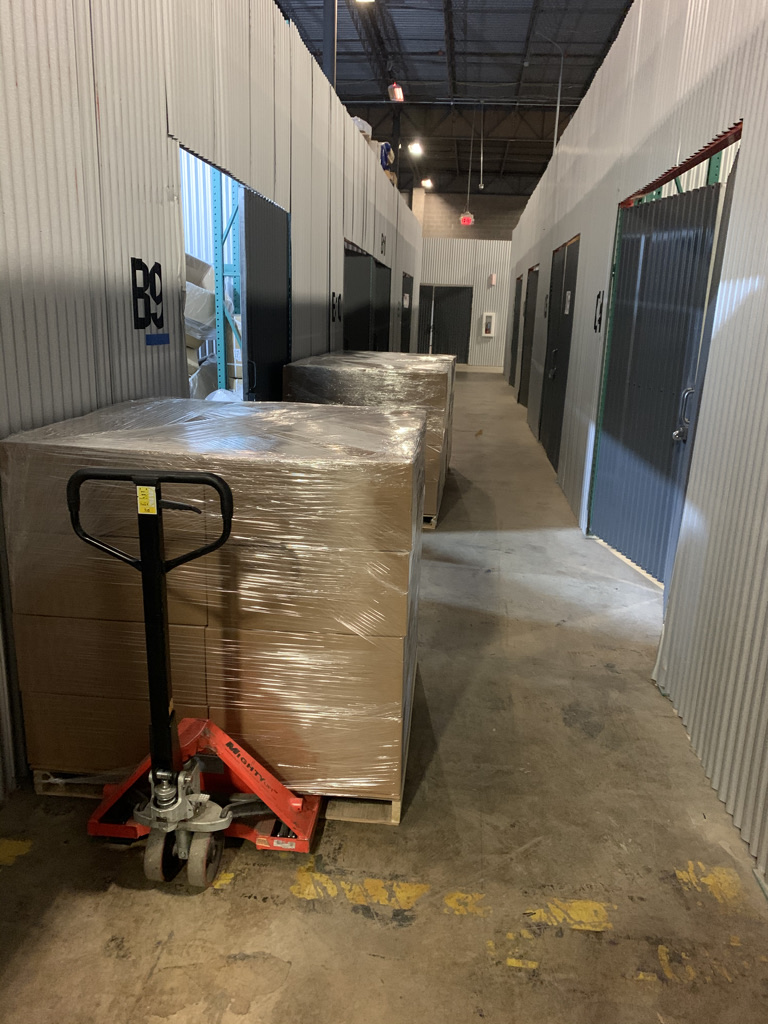
The order shipped in two weeks. More followed, and then more still. What remains of those thirty square metres is the way the group operates today: machines it owns rather than outsources, formulations rewritten until they hold up, and a lasting distrust of anything that comes too fast and too easy.

The group today
The full story,in one page.
The short version is on this page. The long version, chapter by chapter, is in the founder's own timeline.